
Airports: Navigating the Hubs of Travel
Airports are essential nodes in the global transportation network, serving as hubs for the movement of people and cargo between cities and nations. These critical infrastructures are not just limited to runways and terminals; they include a complex array of facilities such as control towers, hangars, and maintenance facilities that support a wide variety of operations. By connecting remote locations and facilitating international commerce and tourism, airports play a vital role in the economic development of the regions they serve.
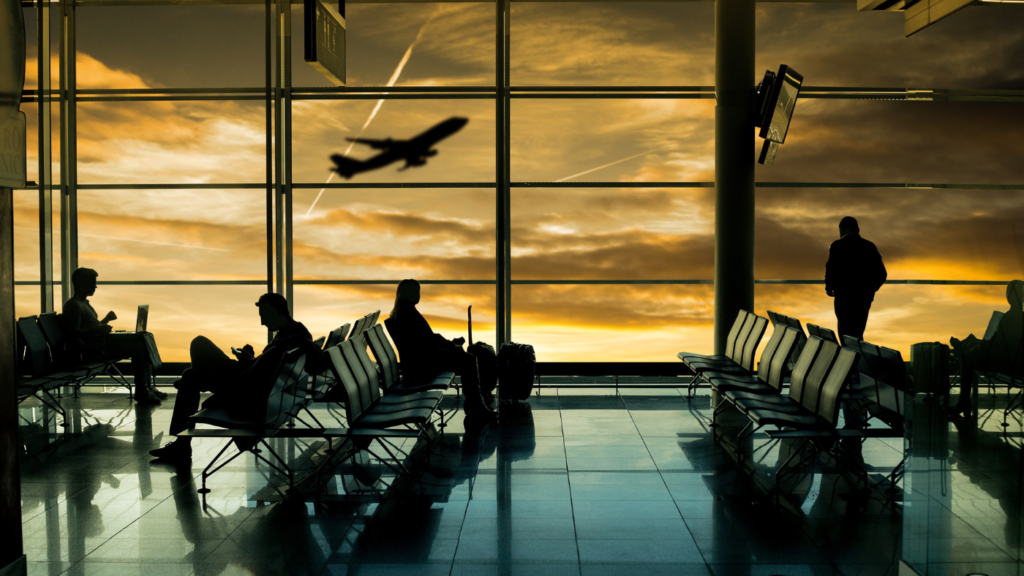
The United States boasts a vast network of airports, with each state hosting facilities that range from small, regional airstrips to major international gateways. This network is carefully monitored and regulated by the Federal Aviation Administration (FAA) to ensure safe and efficient travel. Because of the sheer size and diversity of airport operations—which include flight takeoff and landing coordination, passenger processing, and security measures—these transportation hubs must adhere to strict safety regulations while also striving to provide a positive experience for travelers.
Airport Infrastructure
Your travels and cargo shipments depend on robust airport infrastructure. From where you land and take off to where you board or disembark, each component plays a crucial role in your journey and the journey of your belongings.
Runways and Airfields
Runways are the backbone of any airport. These long paved strips are specifically designed for the landing and takeoff of aircraft. To maintain safety and efficiency, the International Civil Aviation Organization (ICAO) sets global standards which the Federal Aviation Administration (FAA) enforces within the United States. Airfield operations can range from single-runway facilities in smaller airports to multiple parallel runways in international hubs, accommodating large volume of aircraft.
- Runway Maintenance: Regular maintenance ensures runways meet safety standards; this includes resurfacing and repainting runway markings.
- Airfield Lighting: Technologically advanced lighting systems guide pilots during takeoff, landing, and taxiing.
- Navigational Aids (Navaids): Facilities use a variety of navaids provided by the FAA to manage air traffic, ensuring safe and accurate aircraft movement.
Terminal Facilities
Terminal facilities act as the central processing hubs for passengers, baggage, and cargo. These structures offer an array of services ranging from customs processing to exclusive clubs for frequent travelers. Modern terminals, often overseen at the federal level by entities like the FAA, incorporate innovative designs and amenities aimed at improving your travel experience.
Passenger Services:
- Check-in counters and self-service kiosks
- Security screening areas
- Immigration and customs for international travelers
Amenities:
- Restaurants and retail stores
- VIP lounges and airline clubs
- Baggage claim and handling facilities
The International Air Transport Association (IATA) works closely with various stakeholders to ensure airport terminals cater to the needs of airlines and passengers, promoting a streamlined and favorable travel environment.
Remember, efficient and well-maintained airport infrastructure facilitates safer, faster, and more comfortable travel for you and ensures that cargo reaches its destination on time and intact.
U.S. Airports by State

Your travel itinerary could take you through a number of key U.S. states, each hosting major airports that serve as vital hubs for both domestic and international travel. Understanding the prominent airports in each state can greatly simplify your travel planning.
Major Airports in New York
New York City is served by several major airports, with John F. Kennedy International Airport (JFK) and LaGuardia Airport (LGA) being the most notable. JFK is a primary international gateway, handling a high volume of international traffic, while LaGuardia primarily serves domestic flights.
Key Airports in California
When flying to or from California, you’ll likely pass through one of its key airports. Los Angeles International Airport (LAX) in Southern California is the busiest on the West Coast. In the central part, San Francisco International Airport (SFO) serves millions and is an important Pacific gateway.
Prominent Airports in Florida
In Florida, Miami International Airport (MIA) in the southern region and Orlando International Airport (MCO) in central Florida are the state’s main airports. Miami serves as a major gateway to Latin America, whereas Orlando is central to the state’s thriving tourism industry.
Notable Airports Across Other States
- In Washington, Seattle-Tacoma International Airport (SEA) is the principal airport.
- Georgia‘s Hartsfield-Jackson Atlanta International Airport (ATL) remains the world’s busiest airport by passenger traffic.
- Nevada has McCarran International Airport (LAS) in Las Vegas as a major leisure destination.
- Hawaii relies on Honolulu International Airport (HNL) as its central gateway to the islands.
- For Illinois, Chicago O’Hare International Airport (ORD) is a primary hub in the Midwest.
- Texas has two major airports: Dallas/Fort Worth International Airport (DFW) and George Bush Intercontinental Airport (IAH) in Houston.
- Lastly, Denver International Airport (DEN) in Colorado stands out for its size and connectivity.
Airport Operations
When you travel through airports, operations are a vital part of your experience, from the bustling terminals handling numerous passenger and cargo flights to the intricate workings of airlines and their alliances.
Passenger and Cargo Flights
Your journey typically begins at one of the many bustling airports around the world, with Hartsfield-Jackson Atlanta International Airport being one of the busiest in terms of operations. As a passenger, you’ll navigate through terminals designed for efficiency in handling both people and cargo. Denver International Airport, for example, is renowned for its extensive property, enabling it to facilitate a high volume of flights while maintaining orderly operations. In contrast, Harry Reid International Airport serves as a major gateway, efficiently managing the passenger flow through its terminals.
- Passenger Flights: These are flights carrying travelers to and from destinations globally, often distinguishing themselves by their frequency and the volume of people on the move.
- Cargo Flights: Operating parallel to passenger services, these flights focus on the transportation of goods, supplying businesses and consumers alike.
Airlines and Alliances
As you board your flights, you are likely participating in the complex networks of airlines and their alliances. Key players often operate from the busiest airports to maximize connectivity and passenger convenience. Airlines, whether low-cost carriers or full-service lines, aim to optimize their operations through strategic alliances.
- Airlines: These are the carriers that bring you to your destination. Brands like United, Delta, or Southwest have individual operating styles, fleets, and service levels.
- Alliances: These partnerships, like Star Alliance or SkyTeam, serve to streamline your travel experience through code-sharing, shared lounging areas, and synchronized scheduling.
Frequently Asked Questions
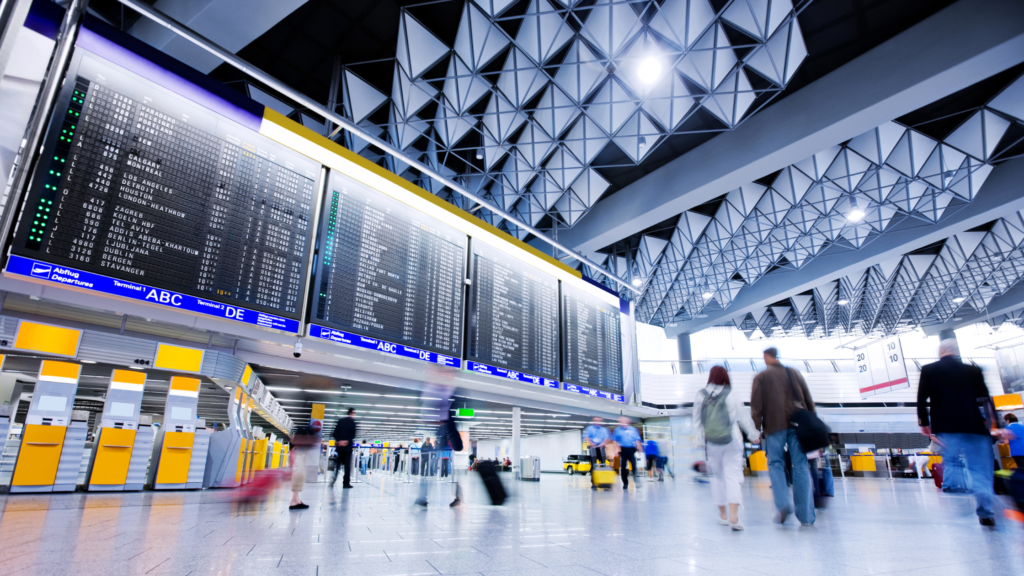
In navigating the complexities of airport protocols, knowing the answers to common questions can save you time and stress.
How Early Should You Get To The Airport?
For domestic flights, aim to arrive at least 2 hours before departure. For international flights, get there 3 hours ahead to ensure ample time for check-in, security, and any unforeseen delays.
What Is Clear At The Airport?
CLEAR is a membership service that uses biometric data to fast-track members through security checks at participating airports, reducing wait times at security checkpoints.
What Is The Biggest Airport In The US?
By land area, Denver International Airport is the largest in the US, covering 33,531 acres.
What Is The Biggest Airport In The World?
King Fahd International Airport in Dammam, Saudi Arabia, is the biggest airport globally, spanning over 780 square kilometers.
What Is The Busiest Airport In The US?
Hartsfield-Jackson Atlanta International Airport holds the title for the busiest airport in the US by passenger volume.